The Surprising Power of Your Social Circle
Updated: Dec 16, 2025
Believe it or not, who you hangout and even just speak with may say more about you then you realize.
Social circles significantly impact our health and wellbeing by influencing our habits & interests, providing emotional support, and affecting our physical and mental health. But this doesn’t just apply to our friends, this also includes our acquaintances, family members, colleagues and pretty much anyone else we socialize with. To totally understand how all of these people impact our lives we first need to talk about social ties and social capital.

Social Ties and Social Capital
What is a social tie? Social ties are defined as connections between two or more people that is used for sharing information, knowledge, feelings and experiences. There are three notable social ties that we all experience, they are; 1) strong, 2) weak, and 3) invisible.
Strong social ties are the close relationships we have with family, close friends and intimate partners. It is characterized by frequently spending time together, liking each other, sharing feelings of emotional closeness, and having shared history and experiences, as well as being familiar with each others social circles. Just existing with these people feels good and we enjoy it.
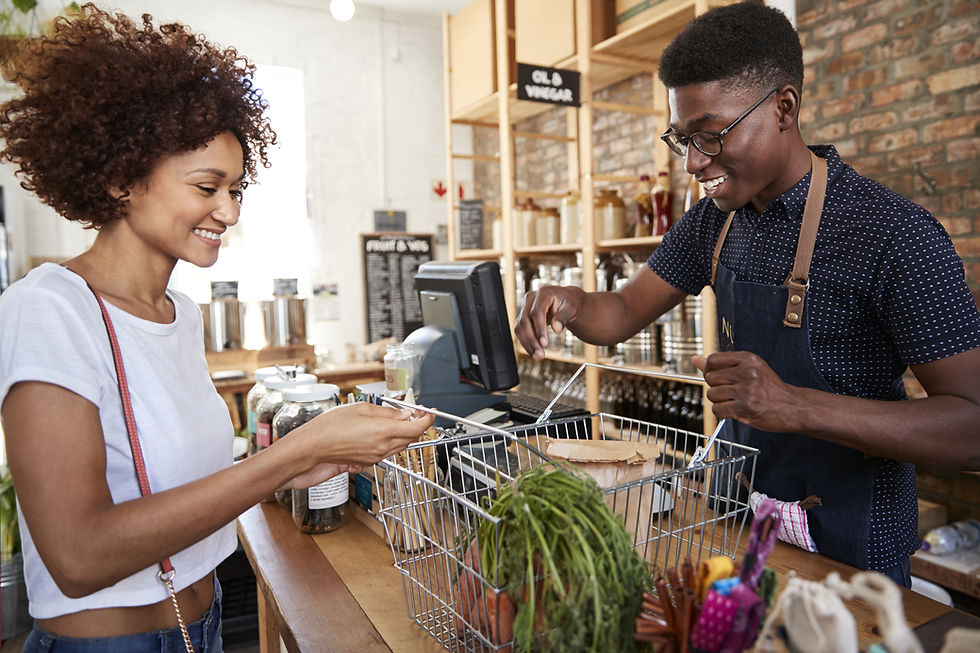
Weak social ties are casual, infrequent relationships and connections. This would include the cashier at the grocery store, co-workers you don’t really know or someone you recognize and maybe know their name but barely speak with. There is significantly less emotional intensity within these relationships then with someone who we have a strong tie with and we infrequently interact with these people. Their role in our lives may seem small, maybe insignificant, but their impact is huge! (We’ll explore this later).
And finally, invisible ties. These are social ties that are so minimal we often overlook them and might not even recognize they happen. An example of this is the ‘nodding’ relationship, this is literally the relationship you have with someone when you nod at them while walking by. We acknowledge their existence and that’s about it. Believe it or not, these interactions impact us and hold value.
All of these social ties and interactions combine to create our social capital. Which are the multiple relationship networks we gain value from and have within our community. Allowing our society to function through trust, cooperation and shared norms.
In other words, having a high social capital is associated with having a diverse range of relationships and social ties. Having low social capital is having less relationships and associated with more isolation.
The Importance of Relationships
Now you know about social ties and social capital, why is it important?
The biggest reason is health. All social ties are valuable and have drastic impacts on our health and wellbeing. All types of healthy relationships are associated with lowering of illness such as heart disease, stroke, anxiety, depression and dementia. However, the stronger the social tie the more preventative it is in mitigating negative health outcomes. One study showed that isolation and loneliness increased the chances of premature death by 26%-29% respectfully. Another reported that loneliness can impact a persons health the same way smoking 20 cigarettes per day can!
A review of 38 studies found that adult friendships, especially high quality ones that provide social support and companionship, consistently predict well-being and can protect against mental health issues such as depression and anxiety —and those benefits persist across someone’s lifespan.
Interestingly, these strong social ties also impact how our brain functions. Scientists studying friendship have even found similar brain activity among friends in brain regions responsible for a range of functions, including motivation, reward, identity, and sensory processing. We become

more similar to the people we spend more time with. We also tend to befriend and become close with people who are already similar to us. This study took it a step further and made predictions on who would become friends in a Dartmouth University MBA program after measuring incoming students neural patterns. Guess what! They were right! Based on their findings they were able to predict who would become friends based on pre-existing neural compatibility and found that the more similar they were the closer the friendship.
On the flip side, weak ties are almost just as important for different reasons. Weak social ties are proven to fortify our life satisfaction and can often make us feel like we are part of a larger community. They also allow us to network outside our own social circle and gather information or ideas that we may not have otherwise gotten. Interestingly, the importance of weak social ties goes back to our hunter-gather days. Historically weak social ties helped humans survive by letting us share information about what was dangerous, where the best hunting was, news from

neighbouring groups but also allowed us reproductive success because we were able to widen our gene pool to people outside our own social circle (which we still do). The groups that had the ‘strongest’ weak ties were the most likely to survive, and overtime the need for weak social became part of our nature.
Invisible social ties, also called ‘nodding relationships’ as mentioned previously, are foundational. Acknowledging someone is often the first way we start any kind of relationship. The invisible tie is the base which every other relationship is built on. Even if the relationship doesn’t develop into anything other than a ‘nod’ these relationships hold a lot of value.
When we ‘nod’ at someone we determine how we feel about that person. We essentially judge them to decide if this person is friendly, dangerous, unwell, interested in us in anyway and gather any immediate information that might be useful to us. They also help us enforce broader social and cultural norms within society such as fashion trends, acceptable behaviour or the feeling and energy in an environment. Humans are always looking to belong and be accepted. Invisible social ties help us observe and further understand how to do this by imitating the people around us in our own ways so we can be part of the larger community.
What Do Your Relationships Say About You?
Who you willing spend your time with says a lot about you. You may even say these people represent you. Your friends and romantic partners in particular show your values, interests, social status, personality type, attachment style, priorities and in some cases give insight into our own self-perception and self-worth.

‘Birds on a feather flock together’ is a saying for a reason. Who we choose to spend time reflects who we are because we wouldn’t be spending time with these people if we didn’t like them or if we had nothing in common. Friend groups also create their own ‘norms’ and expectations that influence our behaviour and tell us what is acceptable. In some circles, birthdays mean big celebrations, group chats planning surprises, and thoughtful gifts. In others, a simple “happy birthday” text is more than enough. Those differences don’t determine the quality of a friendship; they reveal what each group sees as meaningful connection.
Our relationships also say a lot about how we regard ourselves based on how we let others treat us. If others respect us we tend to respect ourselves because we learn that’s the appropriate way to be treated and we typically won’t settle for less. However, if we lack boundaries, and accept being put down or used this reflects in our self worth as we internalize these messages. We begin to feel that this is normal and the way we deserve to be treated.
Ultimately, your relationships act like mirrors—reflecting not only who you are, but also who you believe you’re allowed to be. The people you keep close can reinforce your strengths, values, and confidence, or they can chip away at them over time. Noticing what your relationships say about you isn’t about judgment; it’s an invitation to get curious. When you understand how these connections shape you, you gain the power to choose relationships that support the life and version of yourself you want to grow into.


Comments